





Bridesmen and Groomsmaids: Embracing the New Norm of Wedding Parties
Written by Cori Burcham | Banner photo by Heather Baker Photography
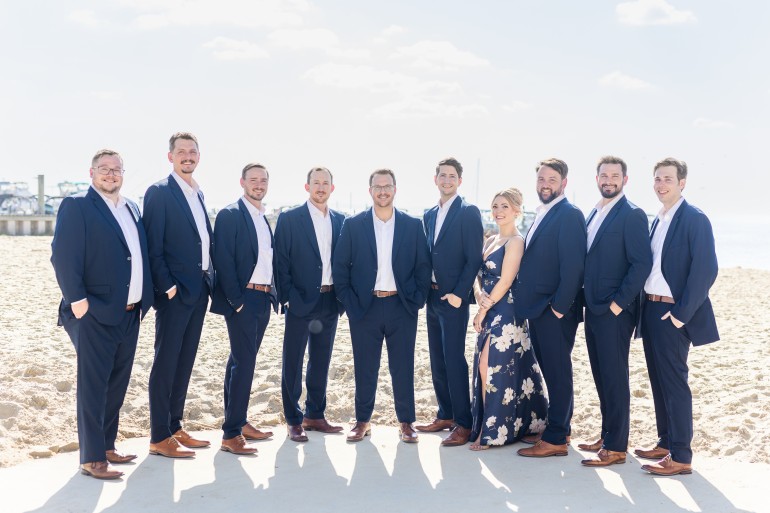
Despite all the planning and the endless tasks on your wedding-day checklist, what matters the most at the end of the day is who’s waiting for you at the altar, which includes the friends and family standing at your side. Rather than being guided solely by tradition, more and more couples are determining their wedding parties based on their close friendships, resulting in more mixed-gender groups. Instead of the conventional bridesmaids and groomsmen, the addition of “groomsmaids” — female friends of the groom — or “bridesmen” — male friends standing up with the bride — is evolving into a modern wedding tradition of its own. While it can be an adjustment to navigate the many gender-specific traditions, there are some ways to update customs or create new ones to ensure everyone in your wedding party feels welcomed in the festivities.
Update Gendered Rituals
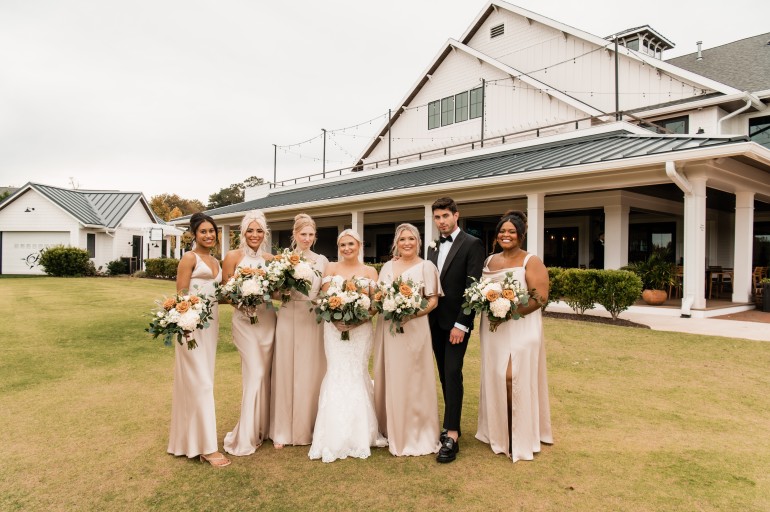
Many of the pre-wedding rituals involve gender-specific activities that may make your diverse members feel uncomfortable or excluded. The most infamous that comes to mind is the bachelorette and bachelor party, often featuring spa excursions, glittering pink sashes, or cigars and a round of poker. To make sure every member of your wedding party has a memorable and enjoyable night, select a roster of activities that are inclusive regardless of gender, such as a trip to the beach, a local winery, a concert, or karaoke bar.
Another tradition that may need an upgrade is the getting-ready ritual on the morning of the big day. In its typical format, this day-of custom often has both wedding parties get ready for the ceremony separately; the bride and her bridesmaids prep hair and makeup, while the groom and his groomsmen likewise don their suits and ties, each group raising a glass to the bride and groom in their own private setting.
If your wedding party features groomsmaids or bridesmen, consider combining both parties to celebrate the happy couple together. Hosting a joint getting-ready ritual with breakfast, coffee, or champagne, and stations for hair and makeup can help make everyone feel included, regardless of the side of the aisle they’ll be standing on. To make the morning more festive, coordinate with matching robes, pajamas, or sweats to wear beforehand that complement the wedding’s theme. This alternative can even be “first-look” friendly, by having the couple leave the common space early to get dressed and meet up after for the magical reveal.
Coordinate Wedding Attire
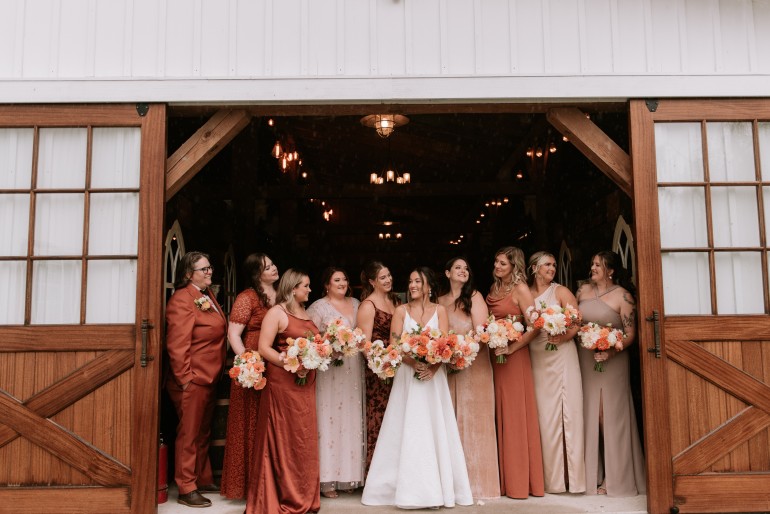
When it comes to wedding attire, the selection used to be more straightforward. Groomsmen would coordinate pocket squares and ties, and wear stylish black tuxedos, while the bridesmaids — to the dismay of some — would wear the same style of dress. Welcoming more customization over the years, wedding attire has grown to be more flexible and inclusive, providing bridesmaids with the freedom to choose a style that suits them as long as it matches a particular color palette.
With the addition of gender-diverse wedding parties, this idea of mixing and matching formalwear can truly have free rein. Both parties can wear their attire of choice, as long as it adheres to a uniting theme. Instead of the classic boutonnieres for the groomsmen and bouquets for the bridesmaids, personal flowers don’t need to be designated by party and can reach across the aisle; if they wish, groomsmaids can wear corsages and bridesmen, boutonnieres. With personal style and the couple’s preferences as the only guiding principles, it’s important to remember there are no hard or fast rules — other than to have fun with it.
Communicate Attendants’ Place
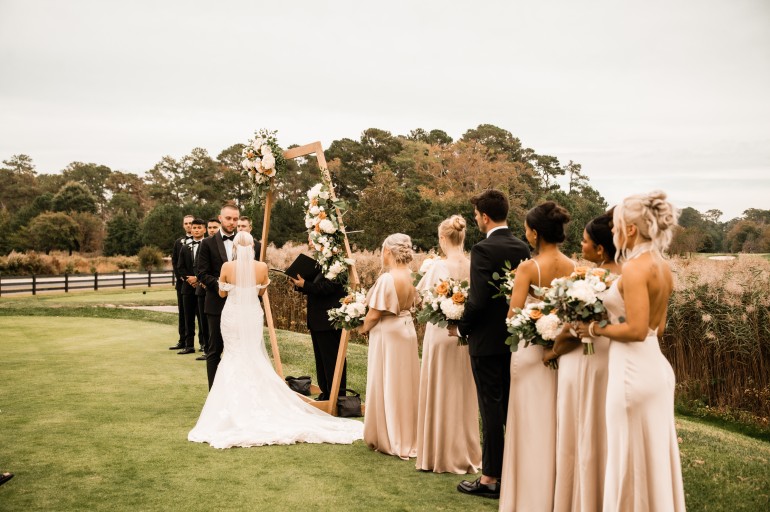
With co-ed groups supporting the newlyweds, it’s important to communicate each member’s place in the wedding party to avoid any confusion for guests with more traditional expectations. In the programs, clearly list the names of the attendants and the partner they’re standing with. During the rehearsal, coordinate with both sides to decide the order in the processional and consider having attendants walk together regardless of gender, with groups of two determined by existing friendships, blood relations, or their mutual energy. Another way to subtly yet plainly convey each attendant's place is to assign each party a visual cue, such as a shared accessory: a handkerchief, scarf, or pin representative of a certain party. Lastly, have the announcer or DJ introduce each group during their entrance into the reception to make it clear who you’ve chosen to support you on your special day.
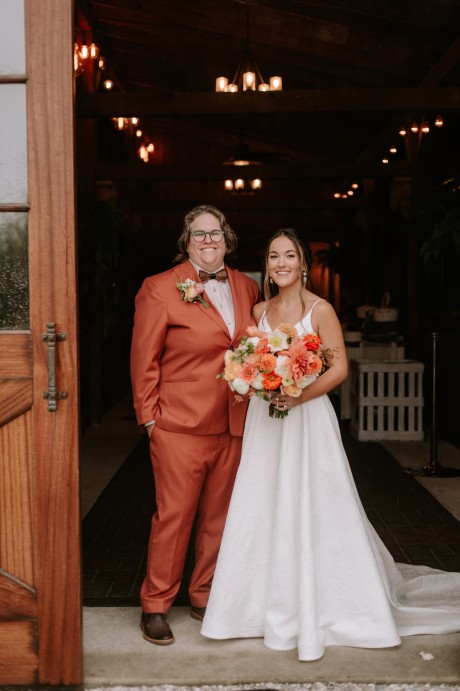
On a day that’s meant to be a celebration of love, all the meaningful relationships in your life deserve a spotlight — and that begins by establishing a space where everyone in your party feels valued.


